

Safety Switch Installation Sydney

Protect your family from electric shock with a properly installed safety switch. Moonlight Electrical supplies and installs RCDs (residual current devices) across every circuit in your home, powerpoints, lighting, hot water, air conditioning and fixed appliances.

We Quote Per Job, Not Per Hour

We Arrive Within 60 Mins

Lifetime Labour Guarantee

Moonlight Electrical

We’re on standby 24/7!

Sydney’s Trusted Safety Switch Electricians

Moonlight Electrical is a family-owned business based in Merrylands, serving homes and businesses across Western Sydney and the greater Sydney area. We hold NSW Electrical Contractor Licence 373818C and Level 2 ASP accreditation, which means we’re authorised to work on everything from your safety switches right through to the connection between your property and the power network.

Every safety switch installation comes with our 7-year warranty on electrical systems and lifetime labour guarantee. We arrive within 60 minutes or the service call is free (when booked before midday), and we offer a 10% seniors discount on all work.
RCD Safety Switch
Safety switch installed by an electrician

What Is a Safety Switch (RCD)?

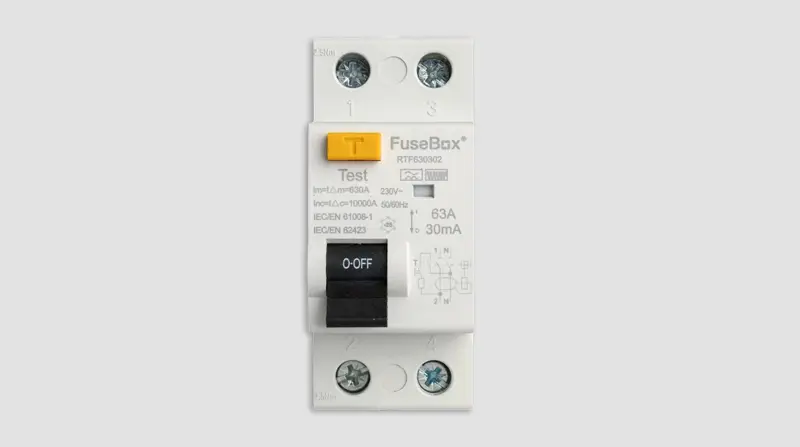
A safety switch, technically called a residual current device or RCD, monitors the flow of electricity through a circuit. If it detects current leaking to earth (which happens when someone touches a live wire, or when a faulty appliance develops an earth fault), it cuts the power in under 0.03 seconds. That’s faster than a heartbeat, and it’s the difference between a minor shock and a serious injury or fatality.

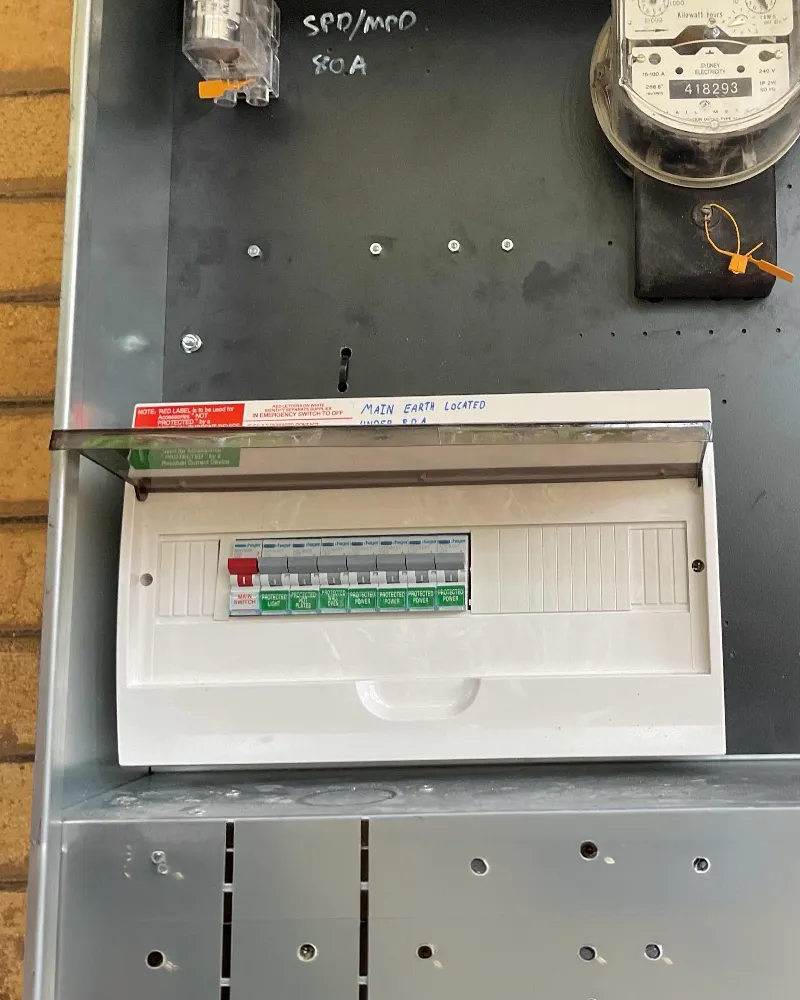
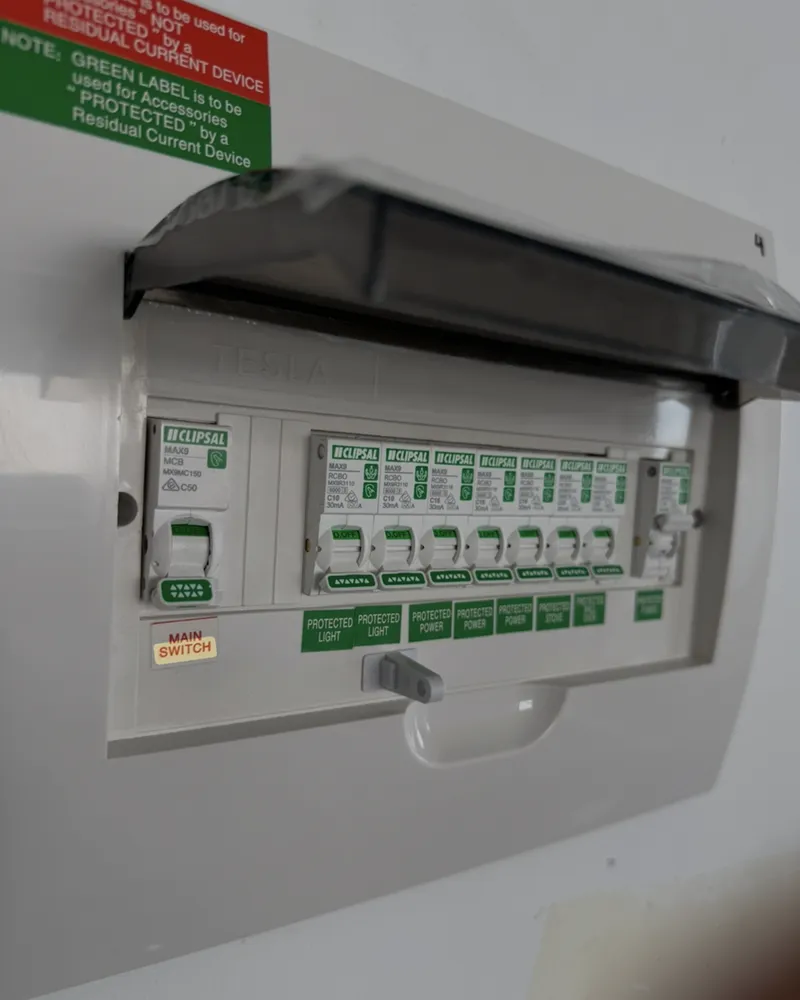
Safety switches are installed in your switchboard and protect individual circuits. A properly protected home has an RCD on every final subcircuit, powerpoints, lighting, hot water, air conditioning, cooking appliances and any other fixed electrical equipment.

Safety Switch vs Circuit Breaker — What’s the Difference?

This is one of the most common points of confusion. A circuit breaker protects your wiring from overloads and short circuits, it stops cables from overheating and causing fires. A safety switch protects people from electric shock by detecting current leaking to earth. They do completely different jobs, and your switchboard needs both.

You can identify your safety switches by the “T” (test) button on the front. Circuit breakers don’t have a test button. If you open your switchboard and see switches without test buttons, those circuits may not have RCD protection, and that’s a safety risk.

Types of Safety Switches

Since May 2023, only three types of RCD are approved for use in Australian electrical installations under the AS/NZS 3000 wiring rules:
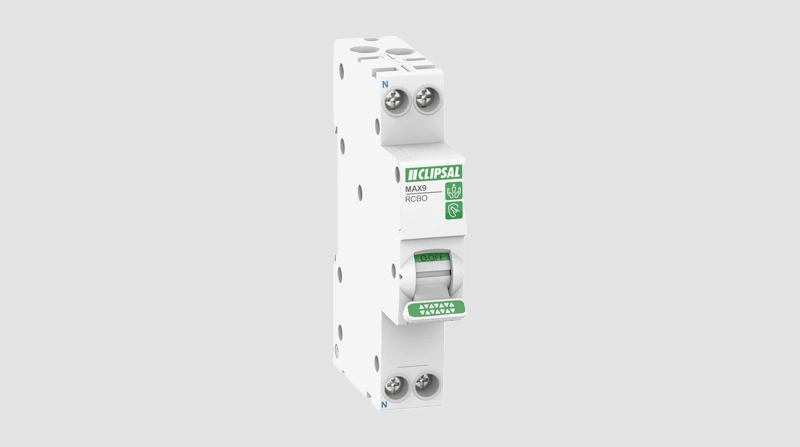
Type A RCD

Type A RCD

The standard replacement for the older Type AC switches. Detects AC fault currents and pulsating DC fault currents. Suitable for most residential circuits including lighting, powerpoints and general appliances.

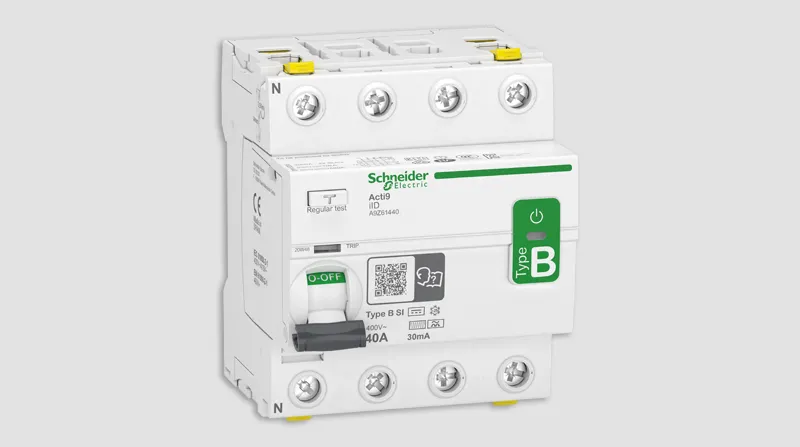
Type B RCD

Type B RCD

Required for circuits supplying equipment that can produce smooth DC fault currents, such as EV chargers (Mode 3 and Mode 4), variable speed drives and some solar inverter configurations.

Type F RCD

Type F RCD

Designed for circuits with frequency-controlled equipment like inverter-driven appliances (washing machines, air conditioning units, heat pumps). Provides additional protection against high-frequency fault currents.

When You Need Safety Switch Installation

NSW Legal Requirements

Under the AS/NZS 3000:2018 wiring rules (enforced in NSW from 1 January 2019), safety switches are mandatory in the following situations:

  • All new domestic and residential installations — every final subcircuit must have 30mA RCD protection. This includes powerpoints, lighting, hot water, air conditioning and cooking circuits.
  • Any alteration to an existing circuit — if you extend a powerpoint circuit, add new lighting or alter any existing wiring, RCD protection must be added to that circuit.
  • Switchboard replacement — if your switchboard is replaced for any reason, all applicable final subcircuits originating from that switchboard must have RCD protection.
  • Rental properties — under the Residential Tenancies Regulation 2019, safety switches must be installed and tested at the start of each tenancy. A faulty safety switch is classified as an urgent repair.

The one exception is straightforward repairs, replacing a single powerpoint, light fitting or appliance in the same location without altering the subcircuit does not trigger the RCD requirement.

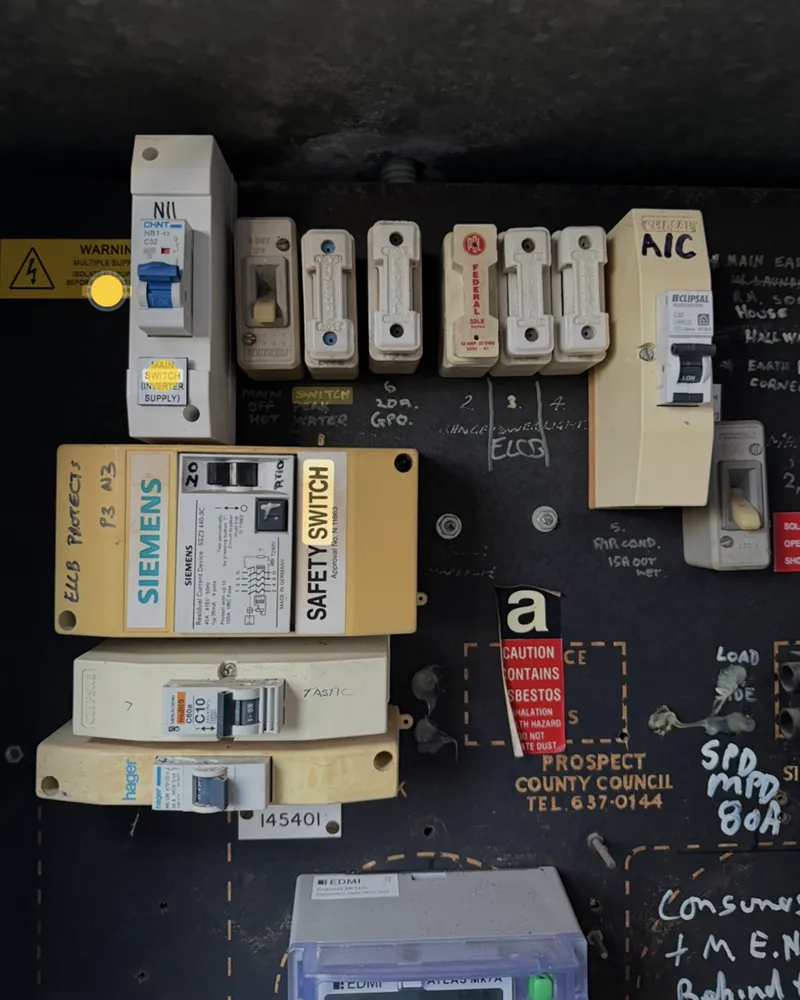
If your home was built before 1991, there’s a strong chance your switchboard has limited or no safety switch protection. While retrofitting RCDs to older homes isn’t legally mandated unless you’re doing electrical work, NSW Fair Trading strongly recommends it. Given that a safety switch is the only device that protects people from electrocution, it’s one of the most important electrical upgrades you can make.

RCD Safety Switch installed in Sydney home

Signs Your Safety Switch Needs Replacing

A safety switch that keeps tripping is telling you something. Common causes include:

  • A faulty appliance leaking current to earth — try unplugging appliances one at a time and resetting the switch to isolate the problem.
  • Moisture in an outdoor powerpoint or light fitting — common after heavy rain, especially in older Western Sydney homes with weathered outdoor wiring.
  • Deteriorated wiring insulation — particularly in homes with original VIR (vulcanised India rubber) cabling from the 1960s and 1970s.
  • A worn-out RCD mechanism — safety switches have mechanical components that degrade over time. If your RCD fails the test button check, or trips without any apparent load change, it may need replacing.
  • Nuisance tripping from accumulated small leakage currents — when too many appliances sit on a single RCD, their combined minor leakage can exceed the 30mA threshold. Splitting circuits across multiple RCDs resolves this.

If your safety switch trips repeatedly and you can’t identify the cause, call a licensed electrician. Ignoring a tripping RCD, or worse, bypassing it, removes the only protection between you and a potentially fatal electric shock.

Our Safety Switch Installation Process

When you call Moonlight Electrical for safety switch installation, here’s what to expect:

Step 1 — Switchboard assessment. We inspect your existing switchboard to determine what RCD protection is currently in place, what’s missing, and whether the board has capacity for additional devices. If your switchboard is an older ceramic fuse style, we’ll discuss upgrading it to a modern safety switch board as part of the installation.

Step 2 — Fixed-price quote. We provide a per-job quote covering the RCDs, any switchboard modifications, and the installation labour. No hourly rates, no surprises. You approve the price before we start.

Step 3 — Installation day. We install the appropriate type of RCD on each circuit, ensuring compliance with AS/NZS 3000. For a straightforward installation on a modern switchboard, the work typically takes 1–2 hours. If the switchboard needs upgrading first, we’ll factor that into the quote and timeline.

Step 4 — Testing and labelling. Every installed safety switch is functionally tested, and we label each circuit clearly so you know exactly what each RCD protects. We’ll also show you how to test the switches yourself using the test button.

Step 5 – Certificate of Compliance. All electrical work in NSW requires a Certificate of Compliance Electrical Work (CCEW) issued by the licensed electrician. You receive yours on completion.

How Much Does Safety Switch Installation Cost?

The cost of safety switch installation depends on your switchboard’s current condition and how many circuits need RCD protection. As a general guide:

  • Single safety switch installation (modern switchboard with available space), from approximately $180–$280 including supply and fit.
  • Multiple RCDs across all circuits, from approximately $400–$800 depending on the number of circuits.
  • Safety switch installation as part of a switchboard upgrade (replacing a ceramic fuse board), from approximately $900–$1,800 for the circuit breaker upgrade.

5-star service you can trust

Why our customers choose us…

I had a really great experience with Moonlight Electrical Group.

Alanis was incredibly proactive and responsive, even over the long Easter weekend — that level of dedication is rare and very much appreciated.

Charlie attended the very next day to inspect the electrical safety of my unit. He was extremely knowledgeable, took the time to explain everything clearly, and was genuinely kind and professional throughout the visit.

Overall, a smooth and reassuring experience from start to finish. I would definitely recommend Moonlight Electrical as a reliable and professional electrical service.

Thank you again to both of you!
Great service from Moonlight Electrical Group They are reliable, professional, and efficient. Really happy with the work and would definitely recommend them.
Moonlight Electrical did a great job installing our ceiling fan. On time, professional, and everything works perfectly. Highly recommend!”
Alanis was very honest, wasted no time coming to quote and commenced the work immediately at a great price compared to another quote i had.
Denis
I recently had a new fuse installed by moonlight electrical group along with a Level 2 electrical upgrade and couldn’t be happier with the service. The electrician was friendly, professional, and took the time to explain everything clearly. The work was completed neatly and efficiently, and you can tell they really care about doing the job properly. Everything is running perfectly now.
Moonlight Electrical have delivered outstanding fit-outs across our Bankstown and Wilton campuses, along with stunning decorative lighting installations in several of our other centres. The addition of these illuminated hanging features has truly elevated the look and feel of our new spaces, and Moonlight Electrical have been instrumental in bringing that vision to life.

Alanis and Alan are incredibly flexible with scheduling, work efficiently, and are an absolute pleasure to collaborate with. No job is ever too big, and the results consistently exceed expectations. The photos speak for themselves, exceptional work, every time.
Photo from customer reviewPhoto from customer reviewPhoto from customer reviewPhoto from customer reviewPhoto from customer review
We had Moonlight Electrical go down to our rental property in Bulli to fix some flickering lights. They came at a time that suited our tenant, fixed the issue quickly, tidied up after themselves and were very reasonably priced. 10/10 would recommend.
If you want honesty and reliability, look no further! Alanis was absolutely great to deal with and really did an exceptional job on our project. His work is like none I have seen before, quick, honest, and exceeding expectations. Would highly recommend!!

Frequently Asked Questions

Do I legally need safety switches in my home?

If your home was built after 1991, safety switches should already be installed on your power circuits. For homes built before this, retrofitting isn’t legally required unless you’re doing electrical work, but it’s strongly recommended by NSW Fair Trading. Any new electrical work, circuit alterations, or switchboard replacement will trigger the requirement for RCD protection under AS/NZS 3000.

How long does it take to install a safety switch?

On a modern switchboard with available capacity, installing a single RCD takes around 30–60 minutes. Fitting RCDs across all circuits typically takes 1–2 hours. If the switchboard itself needs upgrading, allow 3–4 hours for the complete job.

Why does my safety switch keep tripping?

The most common causes are a faulty appliance, moisture in outdoor wiring, deteriorated cable insulation, or too many circuits loaded onto a single RCD. Try unplugging appliances one at a time to isolate the issue. If the switch keeps tripping with everything unplugged, the RCD itself may have failed or there’s a wiring fault that needs professional diagnosis.

Can I install a safety switch myself?

No. All electrical installation work in NSW must be carried out by a licensed electrician. Working on your switchboard without a licence is illegal and extremely dangerous. A licensed electrician will issue a Certificate of Compliance after completing the work.

How often should I test my safety switches?

Every six months, as recommended by NSW Fair Trading. Press the test button on each RCD — it should trip immediately. If it doesn’t, the switch has failed and needs replacing.

Fast response across Sydney

No matter what time it is or where you live, we will be there when you need us most! With our 24/7 availability and quick response times across Sydney, we can get an electrician out to you in a jiffy.

20+

Years of experience

1hr

Emergency Response Time

24/7

Every day of the year

100%

Satisfaction Guarantee

We Quote Per Job

We Quote Per Job

No surprises. Just upfront pricing.

Certified

Certified Electricians

We’re Level 2 Accredited.

Pensioner

Pensioner Discounts

Pensioners/Seniors save with us.